Shin Splints
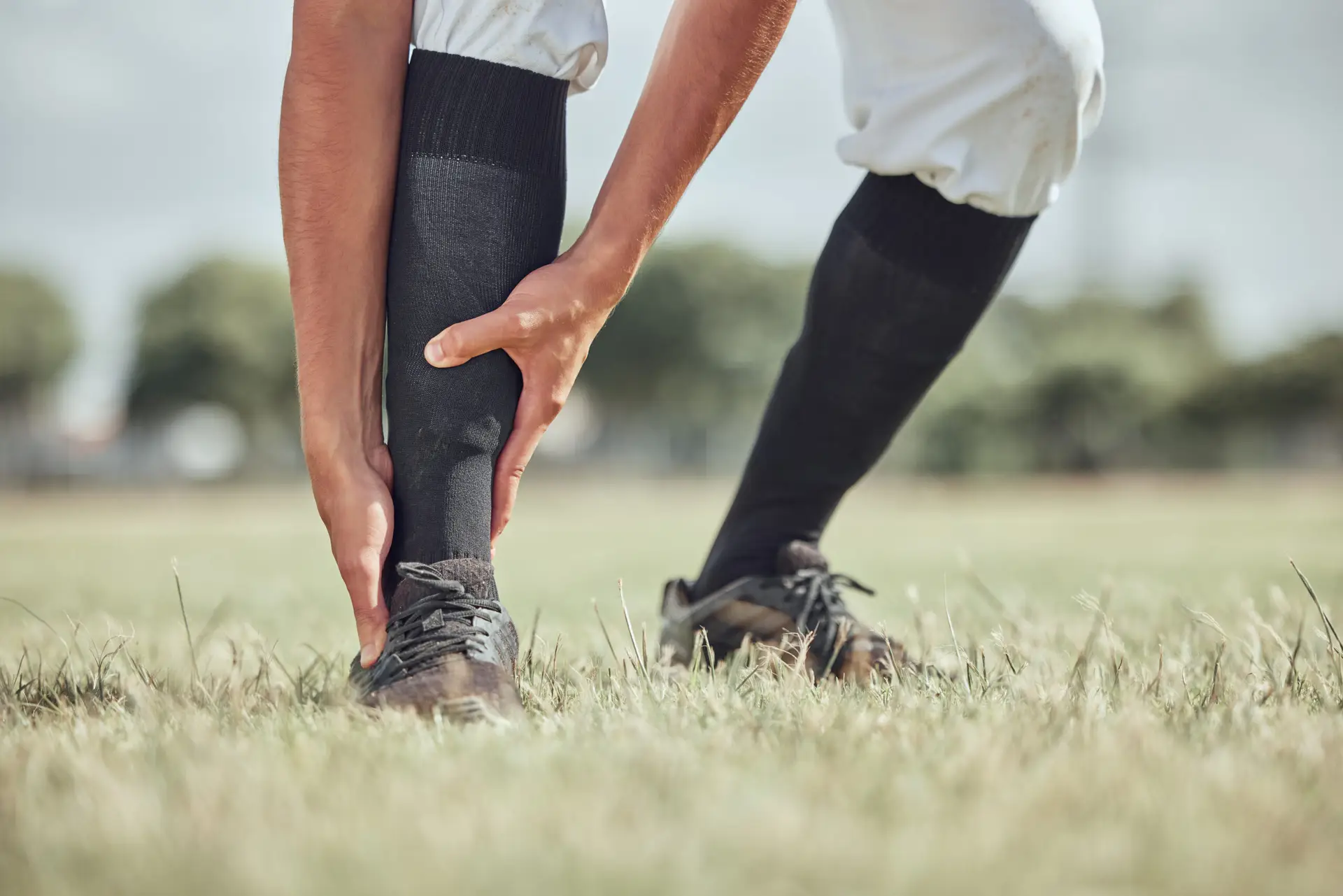
Do your shins ache during or after running?
Is the pain worse at the start of a session, or the next morning?
Shin splints are common, and very treatable.
Settle the Pain
Massage techniques, dry needling and taping to calm irritated tissue and support recovery.
Why It Hurts
Shin splints are usually an overload problem. We look at your training, footwear and how your feet move.
Build Back Stronger
A graded return to activity, strengthening, and orthotics if needed, to help stop it returning.
Shin SplintsYour Questions Answered
What are shin splints?
Shin splints (medial tibial stress syndrome) is pain along the inside edge of the shin bone. It happens when the muscles and tissue around the bone are overloaded, often after a jump in running or sport, or training on hard surfaces.
Common signs
- A dull ache along the inner edge of the shin
- Tenderness when you press along the bone
- Pain at the start of exercise that may ease, then return afterwards
When to get checked sooner
If the pain sits in one sharp spot, hurts at rest or at night, or keeps getting worse, book in promptly. It can be a sign of a bone stress injury, which needs a different approach.
How we help
We find out what's overloading your shins, then treat the pain and the cause. That may include hands-on therapy, dry needling, taping, calf and foot strengthening, footwear advice and orthotics, plus a clear plan for getting back to your sport.
Can kids get shin splints?
Yes, especially active kids and teens playing a lot of sport. We see many young athletes.
Will orthotics fix shin splints?
They can help some people, particularly when foot posture is part of the problem, but they're rarely the whole answer. We treat the cause.
we listen
We gather an understanding of your aches & pains, and what they are preventing you from achieving & doing in everyday life.
We assess
Our podiatrists use hands on techniques, taking the time to find the root cause of your discomfort.
we EXPLAIN
Our podiatrist provide their findings in an easy to understand way, as part of your treatment plan.
we treat
Our hands on approach will guide you to take these first steps in your treatment plan, to get you back on your feet, and doing what you love.