
Diabetic Foot Care
Living with diabetes?
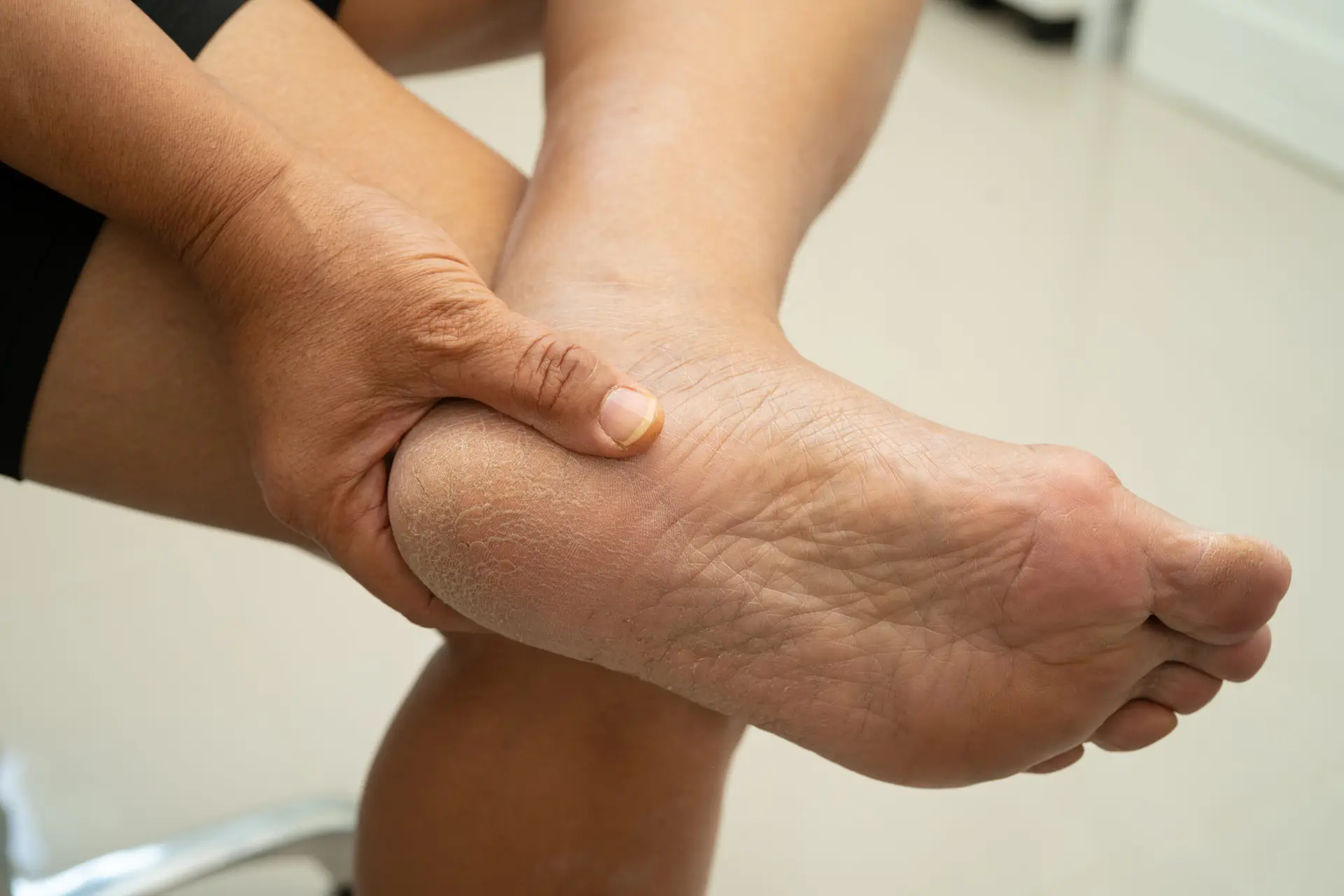
Noticed numbness, tingling, cracked skin or cuts that are slow to heal?
Regular podiatry care helps protect your feet for the long term.
Annual Foot Check
Circulation testing with a Doppler and nerve testing with a monofilament, explained in plain English.
Ongoing Foot Care
Safe nail cutting, and corn and callus care to reduce pressure and lower the risk of wounds.
Prevention First
Footwear advice, daily foot-check tips and early action on any changes we notice.
Diabetic Foot CareYour Questions Answered
Why diabetes affects your feet
Over time, diabetes can reduce blood flow to the feet and damage the nerves that tell you when something hurts. That means a small blister, cut or corn can go unnoticed and turn into an ulcer or infection. Australian guidelines recommend people with diabetes have their feet checked at least once a year, and more often if they're at higher risk.
What's included in your diabetic assessment
- Circulation check using a Doppler
- Nerve sensation check using a monofilament
- Skin check for dryness, cracks, blisters or signs of infection
- Nail check for thickening, changes or ingrown nails
- Foot shape check for bunions, clawed toes and pressure areas
- Your risk rating and a clear plan, with a report to your GP
Looking after your feet between visits
Check your feet every day, including between your toes. Moisturise dry skin (but not between the toes), wear well-fitting shoes and socks, and never walk barefoot. If you notice a wound, redness, swelling or a change in colour, call us or your GP straight away.
Can I claim with Medicare?
If your GP has set you up with a chronic condition management plan, you may be able to claim a Medicare rebate for your podiatry visits. We're happy to explain how it works.
How often should I see a podiatrist?
At least once a year for a full check. If you have reduced feeling, poor circulation or a history of wounds, we'll recommend more regular visits.
we listen
We gather an understanding of your aches & pains, and what they are preventing you from achieving & doing in everyday life.
We assess
Our podiatrists use hands on techniques, taking the time to find the root cause of your discomfort.
we EXPLAIN
Our podiatrist provide their findings in an easy to understand way, as part of your treatment plan.
we treat
Our hands on approach will guide you to take these first steps in your treatment plan, to get you back on your feet, and doing what you love.